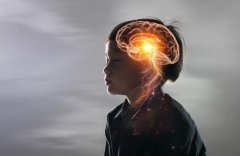
In the realm of education, the field of educational psychology plays a pivotal role in understanding the complexities of learning processes. Educational psychology delves into the intricate mechanisms of how individuals acquire knowledge, develop skills, and adapt to educational settings. By exploring the cognitive, emotional, and social aspects of learning, educational psychology provides valuable insights into effective teaching methods, student motivation, and academic success.
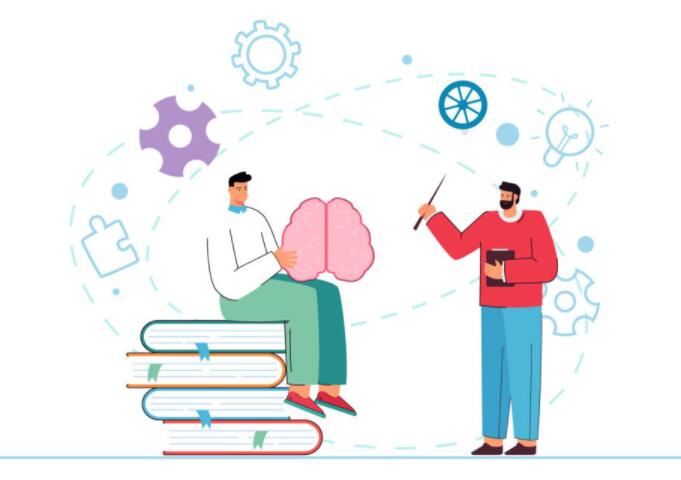
Understanding the fundamental principles of educational psychology is crucial for educators, parents, and policymakers alike. By comprehending the psychological factors that influence learning outcomes, stakeholders can create supportive environments that facilitate optimal learning experiences for students of all ages and backgrounds. Let's embark on a journey through the fascinating world of educational psychology to unravel the mysteries of learning.
The Foundation of Educational Psychology
Educational psychology is rooted in the principles of cognitive psychology, developmental psychology, and behavioral psychology. By integrating theories and research findings from these disciplines, educational psychologists seek to understand how individuals process information, construct knowledge, and acquire new skills. For example, the renowned psychologist Jean Piaget's theory of cognitive development has greatly influenced educational practices by emphasizing the importance of age-appropriate instruction and hands-on learning experiences.
The Role of Motivation in Learning
Motivation is a key determinant of academic success, and educational psychology offers valuable insights into understanding and enhancing students' motivation. Intrinsic motivation, which arises from within the individual, is often linked to a genuine interest in the subject matter or a desire to master a skill. On the other hand, extrinsic motivation, such as rewards or grades, can also impact students' engagement and performance. By employing motivational strategies informed by educational psychology, educators can inspire students to become lifelong learners and achievers.
Effective Teaching Strategies
Educational psychology provides evidence-based strategies for effective teaching and learning. For instance, the concept of differentiated instruction recognizes that students have diverse learning styles, strengths, and needs. By tailoring instruction to accommodate these differences, educators can create inclusive learning environments that promote student success. Additionally, the use of formative assessment techniques, such as quizzes and peer feedback, allows teachers to monitor student progress and provide timely interventions when needed.
Creating Supportive Learning Environments
The field of educational psychology also emphasizes the importance of creating supportive learning environments that foster academic growth and emotional well-being. Positive teacher-student relationships, a sense of belonging, and opportunities for autonomy and mastery are all crucial factors in promoting student engagement and achievement. By cultivating a culture of respect, collaboration, and growth mindset, educators can nurture students' intellectual curiosity and resilience in the face of challenges.
The Impact of Technology on Education
In the digital age, technology has revolutionized the landscape of education, presenting both opportunities and challenges. Educational psychology offers valuable insights into the effective use of technology in the classroom, such as incorporating interactive multimedia resources, online collaboration tools, and adaptive learning platforms. However, it is essential to balance the benefits of technology with the potential risks, such as digital distractions, information overload, and privacy concerns.
Promoting Lifelong Learning and Critical Thinking
Educational psychology advocates for the development of lifelong learning skills, such as critical thinking, problem-solving, and information literacy. By equipping students with the ability to think critically, evaluate sources of information, and communicate effectively, educators empower them to navigate an ever-changing world with confidence and resilience. Moreover, fostering a growth mindset, which emphasizes the belief in one's capacity for growth and improvement, can inspire students to embrace challenges and persevere in the face of setbacks.
Conclusion: Empowering Minds, Transforming Futures
In conclusion, educational psychology serves as a guiding light in the realm of education, illuminating the path to effective teaching, meaningful learning, and student success. By harnessing the principles and insights of educational psychology, educators can empower minds, transform futures, and cultivate a lifelong love of learning in the hearts of their students. Let us embrace the wonders of educational psychology and embark on a transformative journey towards educational excellence and personal growth.