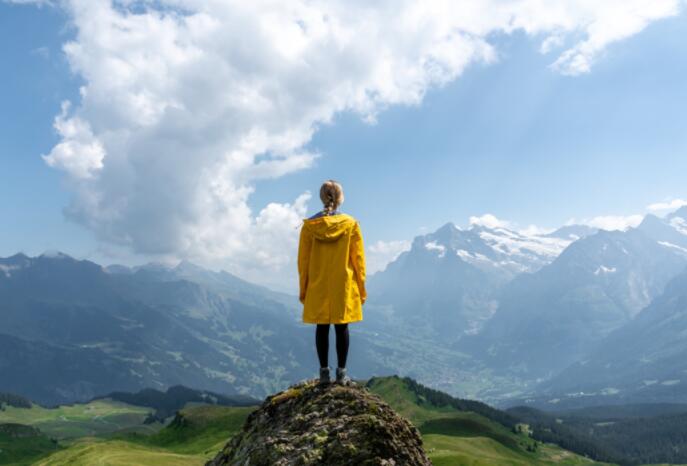
In today's fast-paced and technology-driven world, mental health has become a major concern for many individuals. The constant stress, anxiety, and pressure of modern life can take a toll on one's well-being. However, amidst the chaos and noise of urban living, there lies a powerful antidote – nature. The relationship between nature and mental health is profound and multifaceted, offering a sanctuary for the mind and soul. Let's explore how connecting with nature can significantly improve mental health and overall quality of life.
The Therapeutic Effects of Nature on Mental Health
Nature has a unique ability to soothe the mind and calm the spirit. Research has shown that spending time in natural environments can reduce stress, anxiety, and depression. The sights and sounds of nature have a therapeutic effect on the brain, promoting relaxation and mindfulness. For example, a study published in the Journal of Environmental Psychology found that participants who took a 90-minute walk in a natural setting showed decreased activity in the part of the brain linked to depression compared to those who walked in an urban environment.
The Power of Green Spaces in Urban Environments
In urban settings where green spaces are limited, creating and preserving parks and gardens is essential for promoting mental well-being. Access to green spaces in cities has been associated with lower levels of psychological distress and improved overall mental health. Cities like Singapore have recognized the importance of integrating nature into urban design, with initiatives like the "City in a Garden" project. This not only enhances the aesthetic appeal of the city but also provides residents with vital green spaces for relaxation and rejuvenation.
Nature-Based Therapies for Mental Health Treatment
Nature-based therapies, such as ecotherapy and wilderness therapy, have gained popularity in the field of mental health treatment. These therapies involve outdoor activities and interactions with nature to improve psychological well-being. For instance, wilderness therapy programs often take individuals into the wilderness for extended periods, encouraging personal growth, self-reflection, and emotional healing. Studies have shown that these nature-based interventions can be effective in treating various mental health conditions, including anxiety disorders and PTSD.
Cultivating a Connection with Nature in Everyday Life
Incorporating nature into daily routines can have a profound impact on mental health. Simple activities like gardening, hiking, or even just sitting in a park can help reduce stress and improve mood. The Japanese practice of "forest bathing," or shinrin-yoku, involves immersing oneself in the sights, sounds, and smells of the forest to promote relaxation and stress reduction. By cultivating a deeper connection with nature, individuals can tap into its healing power and enhance their mental well-being.
The Role of Nature in Building Resilience and Coping Skills
Nature not only provides immediate relief for mental health issues but also helps build resilience and coping skills for the long term. Spending time in nature encourages mindfulness, gratitude, and a sense of interconnectedness with the natural world. These qualities are essential for developing emotional resilience and effectively dealing with life's challenges. By fostering a strong bond with nature, individuals can cultivate a sense of purpose, belonging, and inner peace.
Embracing Nature for a Healthier Mind and Spirit
In conclusion, the connection between nature and mental health is undeniable. By immersing ourselves in the beauty and serenity of the natural world, we can find solace, healing, and renewal for our minds and spirits. Whether it's a leisurely stroll in the park, a weekend camping trip, or simply gazing at the stars on a clear night, nature has the power to uplift and inspire us. Let us embrace the healing power of nature and prioritize our mental well-being by nurturing a deep and meaningful connection with the world around us.
In a world where stress and anxiety abound, nature stands as a beacon of hope and tranquility, offering a sanctuary for the weary soul. Let us heed the call of the wild, step outside, and breathe in the beauty and wonder of the natural world. Our mental health and overall well-being depend on it.