In today's fast-paced world, the intersection of technology and healthcare has paved the way for innovative solutions to address critical issues in mental health care. One such groundbreaking advancement is the utilization of Electronic Health Records (EHR) in the mental health sector. The integration of free EHR systems in mental health practices is revolutionizing patient care, streamlining processes, and breaking down barriers to accessing quality mental health services.
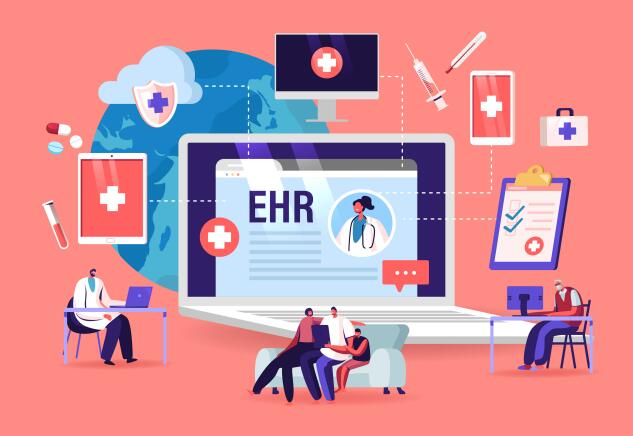
The Evolution of Mental Health Care with Free EHR Systems
Gone are the days of cumbersome paper records and disjointed patient information. Free EHR systems tailored for mental health practices are empowering healthcare providers to deliver personalized and efficient care to their patients. These digital platforms centralize patient data, treatment plans, and progress notes, allowing for seamless communication and collaboration among healthcare professionals involved in a patient's care. By utilizing cutting-edge technology, mental health practitioners can now offer more comprehensive and holistic treatment strategies, leading to improved patient outcomes.
Enhancing Patient Engagement and Accessibility
One of the key benefits of free EHR systems in mental health care is the enhancement of patient engagement and accessibility to services. Through secure patient portals, individuals can conveniently schedule appointments, access educational resources, and communicate with their healthcare providers. This level of accessibility not only empowers patients to take an active role in their mental health treatment but also breaks down geographical barriers, particularly benefiting individuals in remote or underserved areas.
Improving Treatment Coordination and Outcomes
Effective mental health treatment often requires a multidisciplinary approach, involving psychiatrists, therapists, social workers, and other healthcare professionals. Free EHR systems facilitate seamless coordination among these diverse care providers, ensuring that everyone involved in a patient's treatment is well-informed and aligned in their approach. Real-time updates, shared care plans, and secure messaging features enable efficient communication and collaboration, ultimately leading to improved treatment outcomes and patient satisfaction.
Data-Driven Insights and Personalized Care
The power of data in healthcare cannot be overstated, and free EHR systems in mental health are unlocking new possibilities for personalized care. By harnessing data analytics and machine learning algorithms, healthcare providers can gain valuable insights into patient trends, treatment efficacy, and risk factors. This data-driven approach enables clinicians to tailor treatment plans to individual needs, predict potential mental health crises, and intervene proactively, ultimately enhancing the quality of care delivered to patients.
Ensuring Privacy and Security
With the digitization of sensitive health information, ensuring the privacy and security of patient data is paramount. Free EHR systems adhere to stringent data protection regulations and employ robust security measures to safeguard patient confidentiality. Encryption protocols, access controls, and regular audits are standard practices in these systems, instilling trust in patients and healthcare providers alike regarding the confidentiality of their health information.
Empowering Mental Health Professionals
Beyond benefiting patients, free EHR systems empower mental health professionals to deliver better care and optimize their practice operations. Streamlined documentation processes, automated appointment reminders, and customizable treatment templates are just a few features that enhance efficiency and productivity in mental health practices. By reducing administrative burdens and allowing clinicians to focus more on patient care, free EHR systems are reshaping the landscape of mental health service delivery.
In conclusion, the integration of free EHR systems in mental health care represents a significant step forward in improving access, quality, and outcomes in the field of mental health. By leveraging technology to enhance patient engagement, facilitate treatment coordination, and personalize care, these innovative systems are breaking barriers and transforming the way mental health services are delivered. As we embrace this digital revolution in healthcare, it is essential to prioritize patient-centered care, data security, and the well-being of both patients and healthcare providers. Free EHR systems are not just tools; they are catalysts for positive change in the mental health landscape, paving the way for a more connected, efficient, and compassionate approach to mental healthcare delivery.